
How Much Protein Do Women 40–60+ Really Need?

Founder

Michaeline Daboul
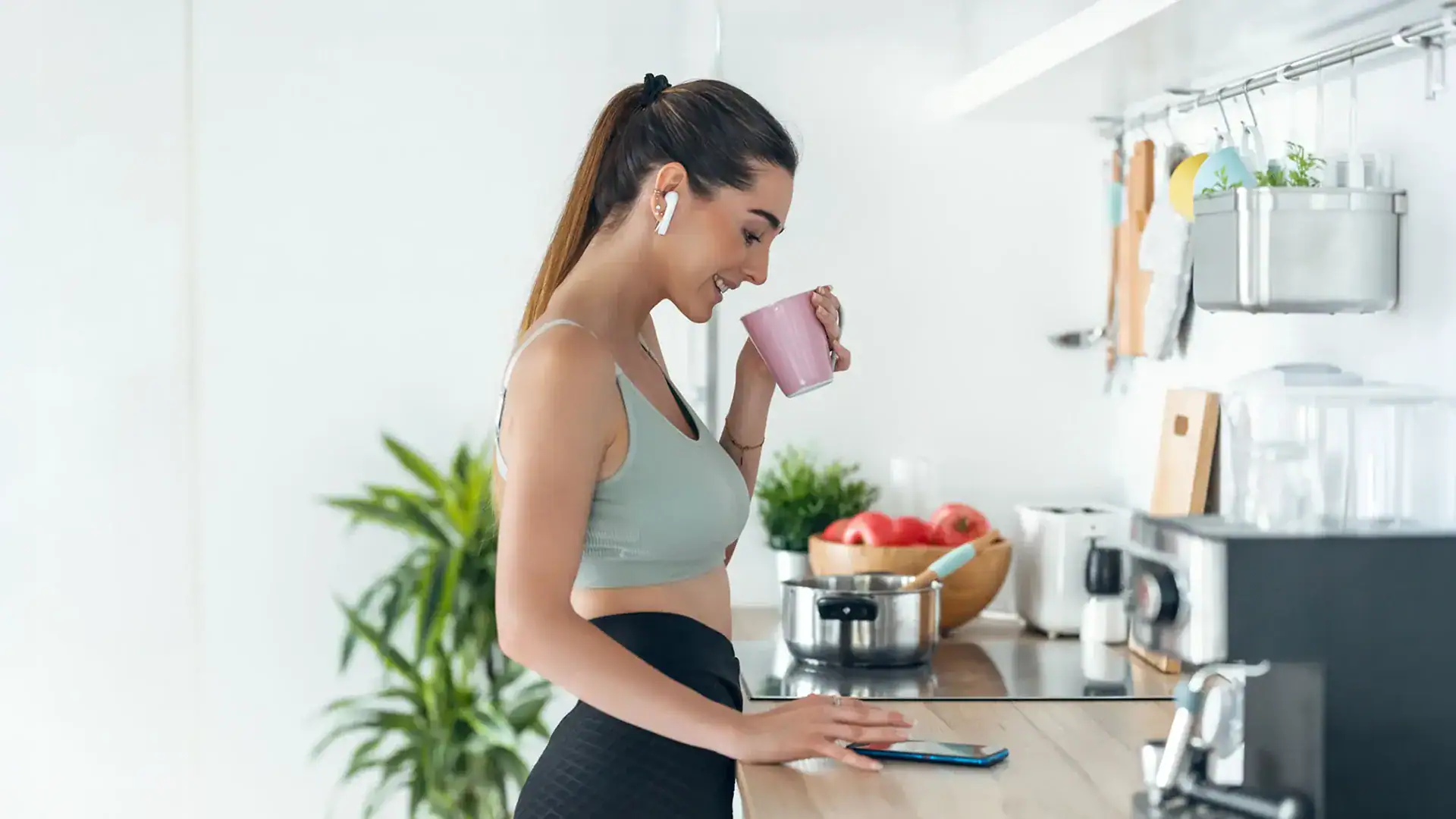
Woman in a sports bra and earphones enjoys a cup of coffee, showcasing a blend of fitness and relaxation.

Why Protein Rises; Daily Target; Spread Across Meals; Personalization & Cautions

Protein builds and repairs muscle, bone, enzymes, and immune cells. Because estrogen declines in midlife, your body resists muscle maintenance, so daily protein matters more. In general, most women 40–60 do well at 1.0–1.2 g/kg/day. For example, a 150-lb (68-kg) woman targets about 68–82 g/day. If you train hard or recover from illness, you may need a bit more.

Next, distribute it. Muscle responds best when you spread protein across the day: 25–35 g at breakfast, lunch, and dinner. For breakfast, try eggs or Greek yogurt with berries and nuts. At lunch, choose chicken, tofu, or lentils with whole grains. For dinner, rotate salmon, tempeh, or cottage cheese with vegetables and beans. Meanwhile, continue strength training to convert protein into functional muscle.

However, customize if you have chronic kidney disease; in that case, discuss targets with your clinician. Otherwise, prioritize whole foods and supplement only to fill gaps.

Key Takeaway

Hit 1.0–1.2 g/kg/day, split it into three solid doses, and combine it with resistance training to protect strength, metabolism, and healthspan.
Share this article

References

  • Caring for the Ages. Protein Requirements for Older Adults: Current Recommendations. 2023. https://www.caringfortheages.com/article/S1526-4114%2823%2900136-1/fulltext
  • Bauer J, et al. Evidence-Based Recommendations for Optimal Dietary Protein Intake in Older People (PROT-AGE Study Group). J Am Med Dir Assoc. 2013. https://www.sciencedirect.com/science/article/pii/S1525861013003265
  • U.S. Administration for Community Living. Nutrition Needs for Older Adults: Protein. 2020 (PDF). https://acl.gov/sites/default/files/nutrition/Nutrition-Needs_Protein_FINAL-2.18.20_508.pdf

Thrive for Longevity Disclaimer

Thrive for Longevity provides educational information based on peer-reviewed research and expert interpretation. This content is not medical advice. Individuals should consult a qualified healthcare professional regarding personal sleep concerns or health conditions.

Every woman’s biology, history, and circumstances are unique. Please discuss the information here with a qualified healthcare provider who knows your full picture before acting on anything you read. If you are experiencing a medical emergency, call 911 or your local emergency number.

Related Articles

There are no related articles.

Want more science-backed insights on women’s longevity?

Subscribe to the Thrive for Longevity newsletter to receive evidence-based strategies on hormones, sleep, metabolic health, and prevention. Join now!

Stay in the know

By subscribing, you agree to receive educational updates and occasional promotional communications from Thrive for Longevity. You may unsubscribe at any time using the link included in our emails. Please review our Privacy Policy to learn how your data is collected, used, and protected. Our email communications are managed and delivered through Mailchimp.