Sleep is not passive. Sleep is when the body performs some of its most important repair processes.
Journal
Evidence-based writing on women’s health, translated into what it means for you.

What to Test, Why It Matters, and How to Track Change Over Time Women’s health testing during perimenopause and menopause requires a broader and more...
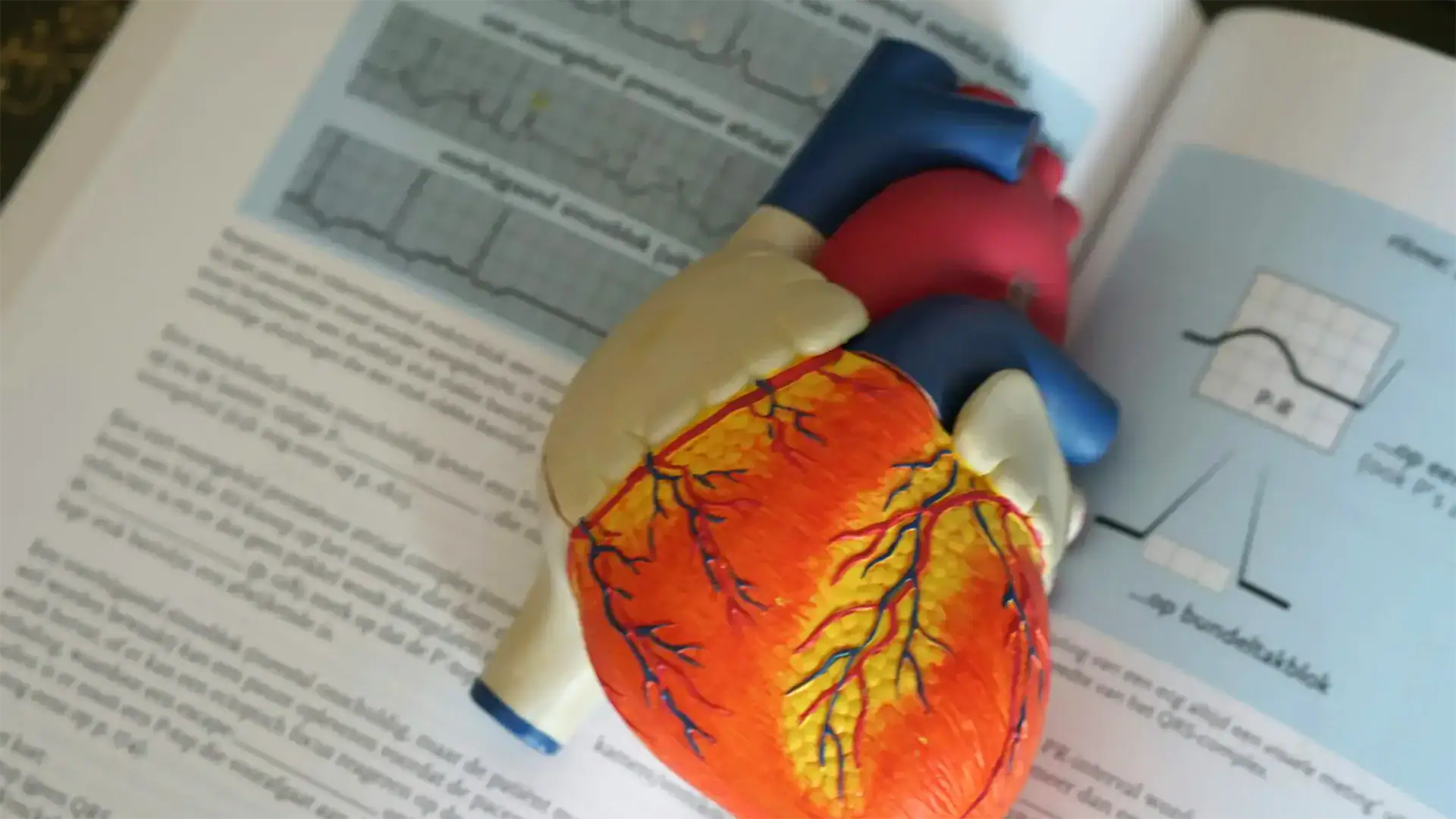
Women’s heart health across the lifespan is shaped by decades of hormonal, metabolic, and biological change — and cardiovascular disease remains the...
Cardiovascular disease is the leading cause of death in women worldwide. It accounts for approximately one in three female deaths.
After publishing Hormones 101, many women asked me for the next step to navigate hormone changes with confidence.
We hear terms like estrogen, progesterone, and testosterone all our lives, yet most women were never given a clear, simple understanding of how these hormones work.
The FDA’s move marks the beginning of a new era where data replaces dogma. Nuances of age, formulation, and timing are now the conversation.
Emerging data continue to reshape how we think about hormone therapy for women and when you start estrogen matters.
Why does sleep change? Hot flashes, night sweats, and 3 a.m. wake-ups derail sleep in perimenopause and menopause.
Protein builds and repairs muscle, bone, enzymes, and immune cells. Estrogen declines in midlife and your body resists muscle maintenance.
Where She Comes to Thrive.
Join our digital community for trusted insights, expert guidance, and conversations that help you navigate midlife with clarity and confidence.