Why It Matters; How to Start; Progression; Recovery & Safety; Key Takeaway
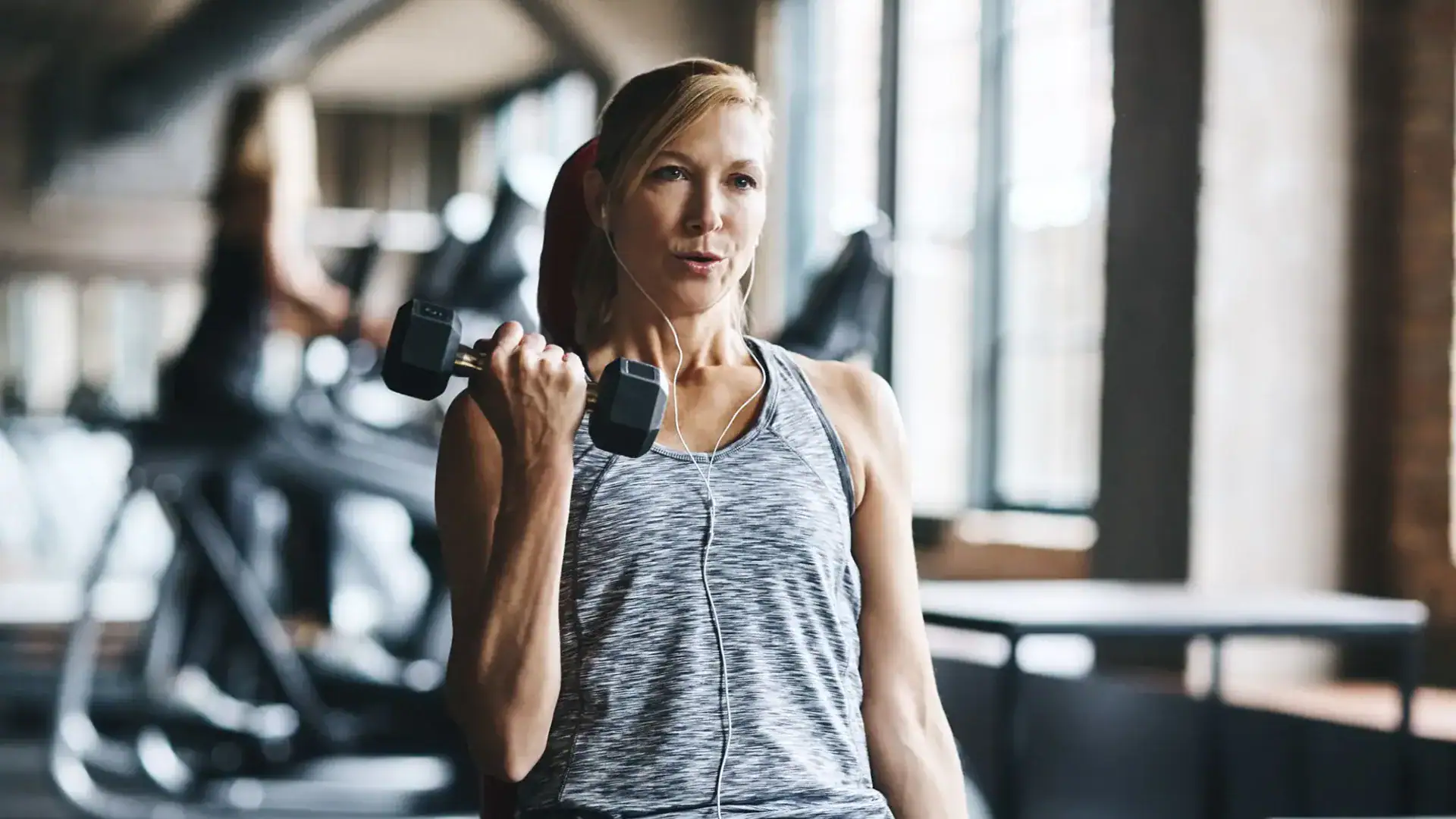
After 40, muscle loss accelerates; consequently, energy, balance, blood sugar, and bone strength can suffer. Fortunately, regular strength training reverses much of that trend. First, commit to two or three total-body sessions per week. Then, focus on foundational movements—squats, rows, presses, and deadlifts—using loads you can lift with good form for 8–12 reps. Over time, add weight or reps to keep progressing.
Moreover, resistance training helps more than muscle. Studies show it improves body composition and supports bone mineral density at the spine and hip—two key fracture sites. Meanwhile, daily movement (walking, mobility) and adequate protein intake amplify results. Therefore, pair your workouts with smart recovery and a protein-forward plate.
Safety first: Start light, learn form, and increase gradually. If you have osteoporosis, joint pain, or a medical condition, then get a customized plan from a qualified professional.
Key Takeaway
Strength training acts like health insurance in midlife—build muscle now to protect independence, energy, and bone for years to come.
References
- Loaiza-Betancur AF, et al. Resistance training effects on healthy postmenopausal women: systematic review and meta-analysis. 2024 (PDF). https://repositorio.ucam.edu/handle/10952/7402
- Saeterbakken AH, et al. Resistance training alters body composition in middle-aged women: 20-week intervention. BMC Women’s Health. 2023. https://bmcwomenshealth.biomedcentral.com/articles/10.1186/s12905-023-02671-y
- Zhang Y, et al. Comparative efficacy of resistance training protocols on bone mineral density in postmenopausal women: Network meta-analysis. Front Physiol. 2023. https://www.frontiersin.org/articles/10.3389/fphys.2023.1105303/full
Thrive for Longevity Disclaimer
Thrive for Longevity provides educational information based on peer-reviewed research and expert interpretation. This content is not medical advice. Individuals should consult a qualified healthcare professional regarding personal sleep concerns or health conditions.
Every woman’s biology, history, and circumstances are unique. Please discuss the information here with a qualified healthcare provider who knows your full picture before acting on anything you read. If you are experiencing a medical emergency, call 911 or your local emergency number.